
How to Prepare for Child’s First Dental Visit: Ease Fears Today
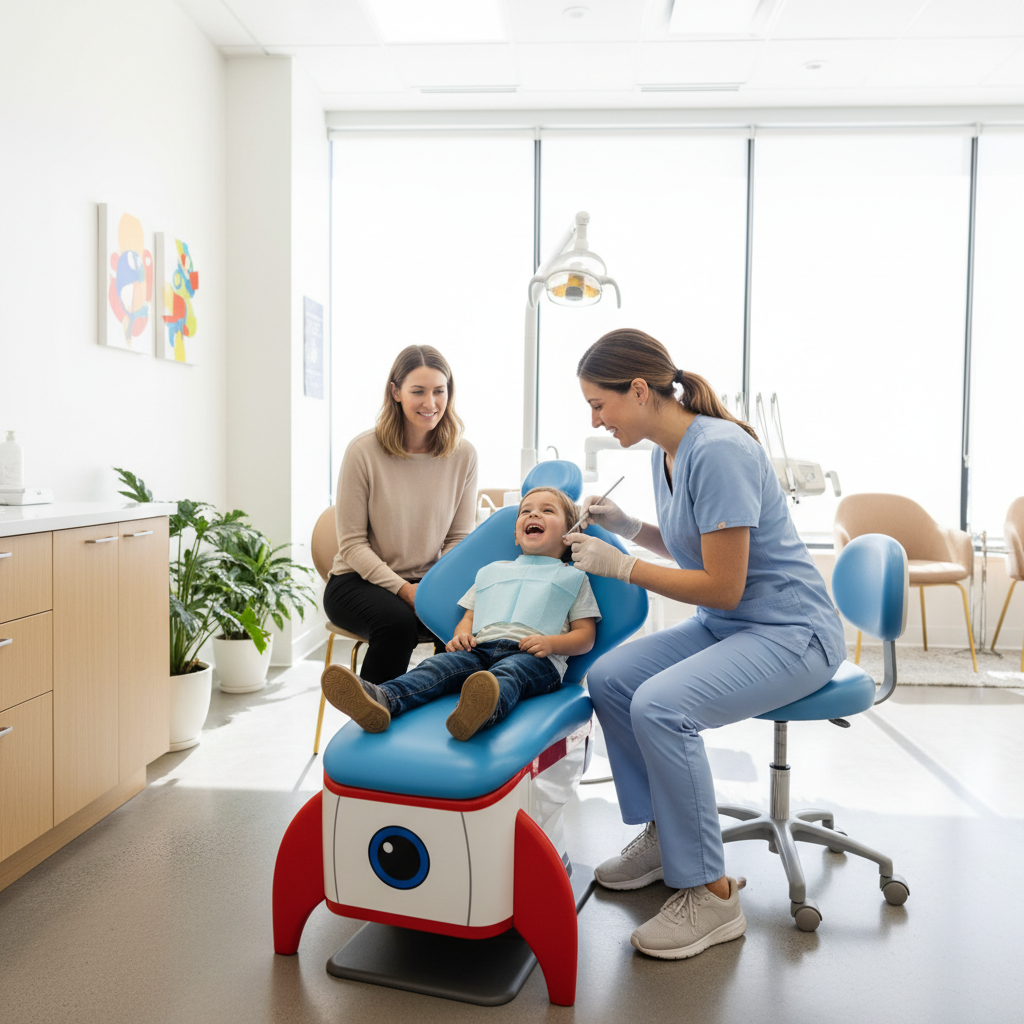
Big day coming up? If you’re getting ready for your child’s first dental visit, you’re not alone—and you don’t have to wing it. This guide shows you exactly how to prepare for child’s first dental visit so the appointment feels calm, fast, and even fun. You’ll see what to do at home, what to bring, and what actually happens in the chair at a family-friendly clinic like Humber Summit Family Dental in North York.
Quick Summary
Here’s what you’ll learn at a glance:
- Before you start: Age timing, forms, insurance/benefit info, and a simple 7-day prep plan.
- Step-by-step: From role-play to packing a comfort kit, and how to talk about the visit.
- What to expect: A gentle check, cleaning if appropriate, and fluoride guidance for kids.
- Troubleshooting: Easy ways to manage nerves, sensory needs, and nap-time conflicts.
- Local insight: How North York families can plan travel, timing, and seasonal considerations.
Quick Answer
To prepare for your child’s first dental visit, start a week ahead with playful practice, pack a small comfort kit, and arrive a bit early. At Humber Summit Family Dental (ON at #107), our kid-focused team uses gentle language and ceiling-mounted TVs to ease jitters—making how to prepare for child’s first dental visit simple and stress-free.
Before You Start (Prerequisites)
Set the stage early so the visit feels predictable and positive. A few smart moves now prevent meltdowns later.
Right timing matters
- Choose your child’s best hour: Book when they’re rested and fed (often mid-morning).
- Avoid rush windows: Skip right-before-nap slots and times that clash with activities.
- Plan 10–15 minutes early arrival: Extra time helps kids explore and settle in calmly.
At Humber Summit Family Dental, Saturday availability and online booking help you find a low-stress time without juggling too much.
Know what “first visit” means
- Age guide: The American Academy of Pediatric Dentistry recommends a first visit by age 1 or within 6 months of the first tooth.
- Scope: Expect a gentle exam, cavity risk review, hygiene tips, and fluoride guidance tailored to age.
- Parent presence: You’ll typically stay with your child; the team uses kid-level language and visuals.
Because Humber Summit Family Dental provides children’s dentistry in a family setting, your child’s appointment is designed to be educational and upbeat, not rushed.
7-day micro plan (easy and realistic)
- Day 7–6: Read a short picture book about dentists. Use simple words like “tooth check” and “counting teeth.”
- Day 5–4: Role-play at home with a spoon as a “mirror.” Practice opening for 5 seconds—turn it into a game.
- Day 3: Do a 2-minute brush together with a timer. Praise effort, not perfection.
- Day 2: Set out the outfit, snack, water, and comfort item so the morning feels smooth.
- Day 1 (evening): Short reminder: “We’re visiting friendly tooth helpers tomorrow.” Keep it light.
- Visit morning: A calm breakfast, brush, quick review of what to expect, and leave early.
Paperwork and essentials
- Forms: Fill new-patient and medical history forms at home if possible.
- Benefits card/info: Bring any dental benefit details to help the front desk advise coverage questions.
- Medication/allergy list: Keep it handy for accurate charting.
- Comfort kit: Small plush, pacifier if used, headphones, and a favorite water bottle.
If you’re unsure what to bring, Humber Summit Family Dental’s child’s first appointment page summarizes visit flow and family-friendly amenities, including ceiling-mounted TVs.
Step-by-Step Process: How to Prepare for Child’s First Dental Visit
These practical steps work for toddlers through early school age. Adjust the language to your child’s level.
1) Use positive, concrete words
- Swap “hurt/shot” for “count/shine”: Words shape expectations. Say, “The dentist will count your teeth and make them shiny.”
- Practice a 10-second “open”: Make it silly—count stars or name animals while mouths are open.
- Normalize curiosity: “You can ask the dentist to show the tiny mirror.”
In our North York office, we pair friendly wording with visuals on ceiling TVs to keep kids engaged.
2) Turn brushing into a team game
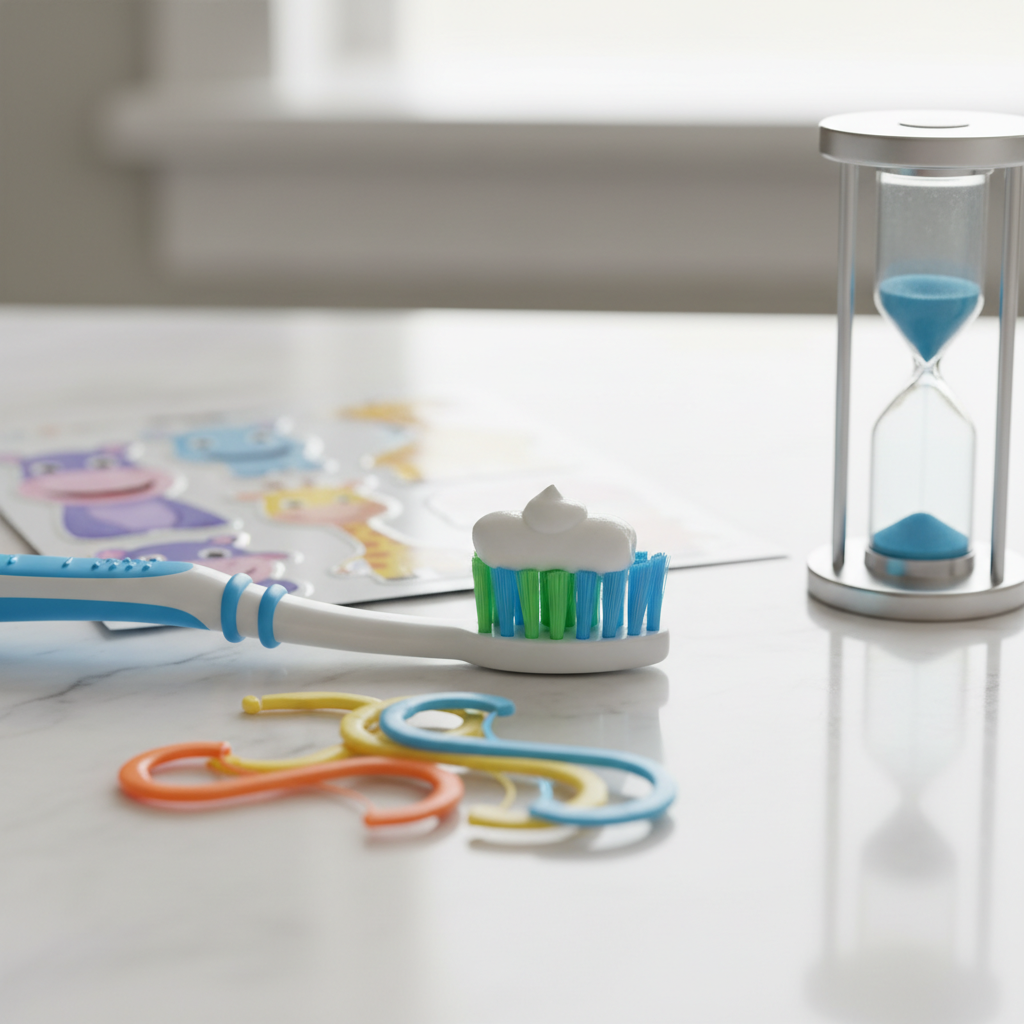
- Two minutes, twice a day: Use a short song or a sand timer; switch who “leads” each night.
- Pea-sized fluoride toothpaste: For kids over 3 who can spit; a rice-sized smear for younger toddlers.
- High-five chart: Sticker after brushing; small reward at the end of the week.
At the visit, your hygienist can reinforce techniques and suggest age-appropriate teeth cleaning for kids routines that actually stick.
3) Role-play the appointment
- Home “exam”: Parent pretends to be the dentist; child holds a mirror and counts.
- Switch roles: Let your child “be the dentist” and gently look at your teeth with a spoon.
- Short and fun: Keep sessions under 3 minutes so anticipation stays positive.
This rehearsal makes the real appointment feel familiar, reducing startle and building trust.
4) Build a tiny comfort kit
- One small plush or blanket: Familiar texture lowers sensory load.
- Headphones: Optional, if your child relaxes with quiet music or white noise.
- Water and snack (for after): Avoid eating right before the exam; offer it once you’re done.
Ask the front desk if headphones are okay during the exam; most kids love pairing them with our ceiling shows.
5) Pack and pre-commit
- Bag checklist: Forms, benefit details, medication list, comfort item, wipes, and tissues.
- Travel buffer: Plan 10–15 extra minutes for parking, stroller unloading, or winter gear.
- Rehearse parking to lobby: Describe the flow: “We’ll say hi, sit together, and watch a show.”
Pro tip: A quick lobby walkabout can help shy kids gather confidence before sitting in the chair.
6) Arrival and check-in
- Greet and ground: Introduce your child by name; ask staff to say a friendly hello.
- Seat choice: Pick a spot where your child can watch the TV or look out a window.
- One-liner preview: “A helper will count your teeth, then we’ll get a sticker.”
Because our team is trained in pediatric education, we explain each step and invite questions so kids feel included.
7) During the exam (what actually happens)
- Gentle visual exam: Dentist checks teeth, gums, jaw development, and bite.
- Cleaning if appropriate: Light polish and plaque removal tailored to your child’s age and comfort.
- Fluoride guidance: The dentist reviews at-home use and in-office options for cavity prevention.
Humber Summit Family Dental’s teeth cleanings and hygiene education are paced to your child, not the clock.
8) Coaching parents in real time
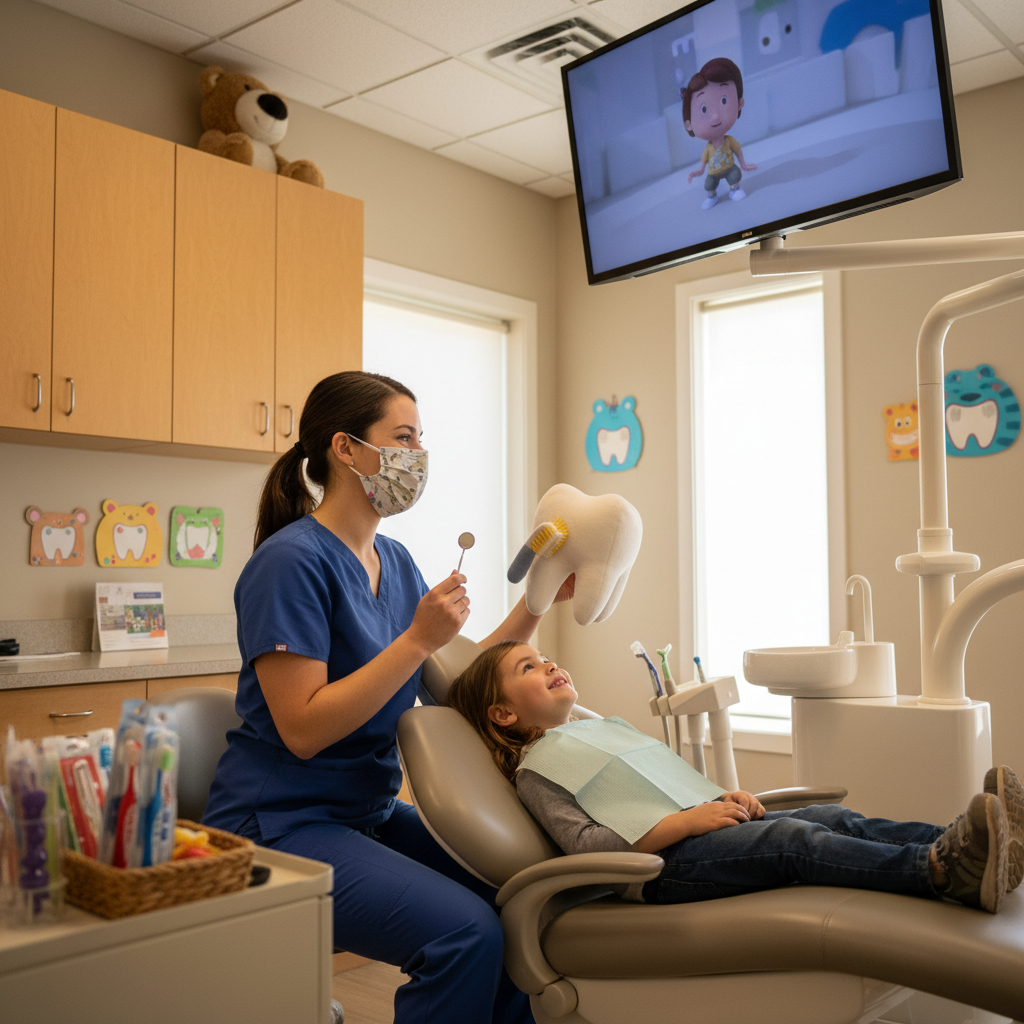
- See-then-do: We demonstrate brushing and flossing techniques first, then have you try.
- Personalized tips: Thumb sucking, bottle habits, snack timing, and sports guard advice.
- Growth roadmap: Milestones to watch (eruptions, spacing, early orthodontic cues).
When you want a deeper dive, our general dentistry resources connect daily habits to long-term oral health.
9) Celebrate and reinforce
- Sticker or small win: Let your child choose a reward after the visit.
- One-liner recap: “You were brave; your teeth are strong and healthy.”
- Next step: Book the follow-up before you leave so the routine stays consistent.
Positive reinforcement cements the memory of success and reduces future anxiety.
10) Plan the next 6 months
- Set reminders: Add a calendar event for your next checkup today.
- Adjust the home routine: Keep the 2-minute brush game going and add floss picks as needed.
- Consider age-appropriate add-ons: For active kids, ask about sports guards at your next visit.
As children grow, the team will advise on fluoride treatments, sealants, and when to consider orthodontic evaluations.
Troubleshooting: Real-World Challenges (and Simple Fixes)
Things don’t always go to plan. Here’s how to adapt without stress.
My child refuses to open their mouth
- Switch to copycat mode: Ask the dentist to open first; then you; then your child.
- Use countdowns: “Let’s open for 5 seconds together.” Stop at success, not at struggle.
- Defer the polish: It’s okay to do the exam only and return for cleaning when trust is higher.
We build confidence in layers, never forcing. Small wins today mean smoother visits tomorrow.
Big emotions or tears
- Label the feeling: “It looks like you’re nervous.” Naming it reduces intensity.
- Offer a choice: “Blue chair light or yellow?” “Watch shows or listen to music?”
- Reset break: A 60-second hallway walk can reset the nervous system.
Our ceiling-mounted TVs and friendly team help redirect attention quickly when emotions spike.
Sensory sensitivities
- Preview tools: Let your child touch the mirror handle and hear the “tooth tickler.”
- Sound/texture plan: Ask for a quieter room, dimmed light, or hand-over-hand support.
- Headphones or weighted lap pad: Bring items that soothe; we’ll work around them.
Tell us your child’s triggers at check-in—we’ll tailor the room and pacing.
Gag reflex worries
- Practice nose breathing: Do 5 slow breaths before opening.
- Positioning tweak: Slightly elevate the chair or tilt the chin down.
- Short sessions: It’s fine to split cleaning over two brief visits.
Your hygienist will modify tools and angles to minimize gagging and keep things comfortable.
Separation anxiety
- Stay in view: Sit where your child can see and touch your hand.
- Pass the mic: Let staff do most of the talking to build a new trusted voice.
- Gradual independence: Over time, step back as confidence grows.
We’ll never rush; the goal is a confident, cooperative child—not a perfectly complete checklist on day one.
Language differences
- Keep words simple: Focus on “counting teeth,” “tiny mirror,” and “shine.”
- Show-not-tell: Use gestures and modeling more than explanations.
- Bring a helper: If possible, a bilingual relative can translate key phrases.
Visuals and demonstrations make a bigger impact than vocabulary. We lean on both.
Tools & Resources You Can Use
These simple tools make daily care and visit-day routines easier.
- At-home kit: Child-size soft toothbrush, fluoride toothpaste, floss picks, 2-minute timer, and a sticker chart.
- Clinic amenities: At Humber Summit Family Dental, ceiling-mounted TVs, a calm operatory, and a kid-focused team keep visits light and engaging.
- Educational support: During your visit, ask for brushing demos and diet tips that fit your child’s routine.
- Follow-up planning: Use your phone’s calendar to set biannual checkups and reminders for new toothbrushes every 3 months.
For specifics on child care in our office, see the overview on children’s dentistry and details on teeth cleaning for kids.
Comparison Guide: Small Choices, Big Difference
| Choice | Why it helps | When to choose |
|---|---|---|
| Morning appointment | Kids have more energy; fewer meltdowns. | If naps or late-day fatigue trigger fussiness. |
| Role-play at home | Builds familiarity; reduces startle. | First dental visit or long gap between visits. |
| Comfort kit + TV | Eases sensory load; gives focus point. | If your child gets overwhelmed by new places. |
| Split cleaning over 2 visits | Lower stress; better cooperation. | Strong gag reflex or big emotions. |
Local Tips
- Tip 1: If you’re driving near Finch Ave West or Highway 400, add a few extra minutes for traffic so your child has calm time to explore the lobby before the visit.
- Tip 2: Winter gear takes time—plan an extra 10 minutes to remove boots and layers so kids aren’t overheated in the chair.
- Tip 3: For active kids in local leagues, ask about sports guards during your hygiene visit—custom guidance helps prevent dental injuries.
IMPORTANT: These tips reflect our family-focused approach and the local North York routine at our ON location (#107).
Advanced Tips (Optional)
When you want to go beyond the basics, use these pro-level adjustments.
For toddlers (under 3)
- Lap-to-lap exams: Your child sits on your lap facing you, then leans back onto the dentist’s lap.
- Rice-sized toothpaste: A tiny smear is enough; ask about fluoride varnish suitability.
- Picture cues: Bring a favorite book to reference in the chair.
For kids with sensory differences
- Predictable sequence card: Home-made visual schedule: lobby → chair → mirror → count → sticker.
- One new thing per visit: We add complexity gradually—mirror today, polish next time.
- Comfort-first environment: Ask for a low-light operatory and quieter tools if helpful.
For multilingual households
- Script 3 phrases: “We’re visiting tooth helpers,” “Open like a lion,” “Tiny mirror looks.”
- Use gestures: Point, model, and exaggerate facial cues.
- Translate rewards: Teach the word for “sticker” and “brave” in your home language.
For early orthodontic cues
- Watch for spacing/crowding: Mention thumb sucking, mouth breathing, or grinding.
- Baseline check: If advised, book an early orthodontic evaluation to plan growth-friendly habits.
- Teen pathway: As kids grow, ask about orthodontics for teens and when Invisalign might make sense.
FAQ
- When should my child have their first dental visit?
Schedule by age 1 or within six months of the first tooth. Early visits help you build strong routines and catch small issues before they become bigger problems. They also make the dental office feel familiar, which reduces anxiety over time.
- What happens during the first appointment?
Expect a gentle exam, a discussion about brushing/flossing, cavity risk factors, and personalized fluoride guidance. If your child is comfortable, a light cleaning and polish may be done. You’ll have time to ask questions and get tailored tips for home care.
- Can I stay with my child during the visit?
Yes. Parents typically remain with their child for comfort and continuity. We’ll invite you to watch demonstrations, then try them yourself so you leave confident about daily care.
- How do I reduce my child’s fear of the dentist?
Use positive words, brief role-play, and a small comfort kit. Book at a time when your child is rested, and arrive 10–15 minutes early so the lobby doesn’t feel rushed. In the chair, let the team lead and celebrate small wins.
- What should I bring?
Completed forms, benefit information, a medication/allergy list, and one small comfort item. Water and a post-visit snack are useful if your child gets hungry quickly. Headphones and a favorite playlist can also help sensitive kids relax.
Additional Resources
To see how we make first visits feel easy, explore our in-depth pages on children’s dentistry and the practical checklist on your child’s first appointment. For ongoing hygiene routines, our team’s guidance on teeth cleaning for kids and family teeth cleanings keeps daily habits simple and effective.
Key Takeaways
- Match appointment time to your child’s best mood window; arrive a little early.
- Role-play and positive wording turn unknowns into confidence.
- Pack light: forms, benefit info, medication list, and one comfort item.
- Expect a gentle exam, tailored hygiene tips, and fluoride guidance.
- Small wins and praise matter more than a “perfect” first visit.
Conclusion
You don’t need a complicated plan to make the first dental appointment go well—just a week of small, consistent steps. Use simple language, practice briefly at home, pack a tiny comfort kit, and give yourself extra time on the day. At Humber Summit Family Dental, our kid-focused team, calm environment, and ceiling-mounted TVs help turn nerves into pride. When you’re ready, request your child’s first appointment online and start a lifelong routine that’s friendly, practical, and stress-free.
