
Tooth Pain: When You Need a Root Canal Explained
If you’re searching for the signs you need a root canal treatment, you’re probably dealing with confusing tooth pain right now. Here’s the good news: there are clear, science-backed clues that help you tell the difference between a minor issue and a nerve infection that needs attention. At Humber Summit Family Dental in North York, our family-friendly team explains options in plain English, keeps you comfortable, and focuses on fast relief so you can get back to normal life.
At a Glance
- Understand what a root canal is and why it saves natural teeth
- Spot 11 evidence-based symptoms that mean the nerve is involved
- See how treatment works step-by-step in our North York clinic
- Use smart do’s and don’ts before and after your visit
- Compare saving the tooth vs. removing it in a simple table
- Know when to request same-day emergency guidance
Quick Answer
If you have lingering hot/cold sensitivity, night pain, swelling, or a gum pimple, those are common signs you need a root canal treatment. At Humber Summit Family Dental in North York (unit #107), we provide gentle, same-day guidance and root canal therapy to save your natural tooth.
Table of Contents
- What Is a Root Canal?
- Why Saving the Tooth Matters
- How Root Canal Treatment Works
- 11 Clear Signs You Need a Root Canal Treatment
- Types and Approaches
- Best Practices: Before and After
- Tools and Resources We Use
- Case Snapshots (Real Examples)
- Local Tips
- Quick Comparison: Save vs. Remove
- FAQ
- Conclusion & Next Steps
What Is a Root Canal?
A root canal is a restorative procedure that removes inflamed or infected pulp (the tooth’s nerve tissue), disinfects and shapes the canals, and seals them to prevent reinfection. The goal is simple: stop pain, clear infection, and keep your natural tooth.
- What’s inside a tooth: Enamel (outer shell), dentin (support layer), and pulp (nerve/blood supply).
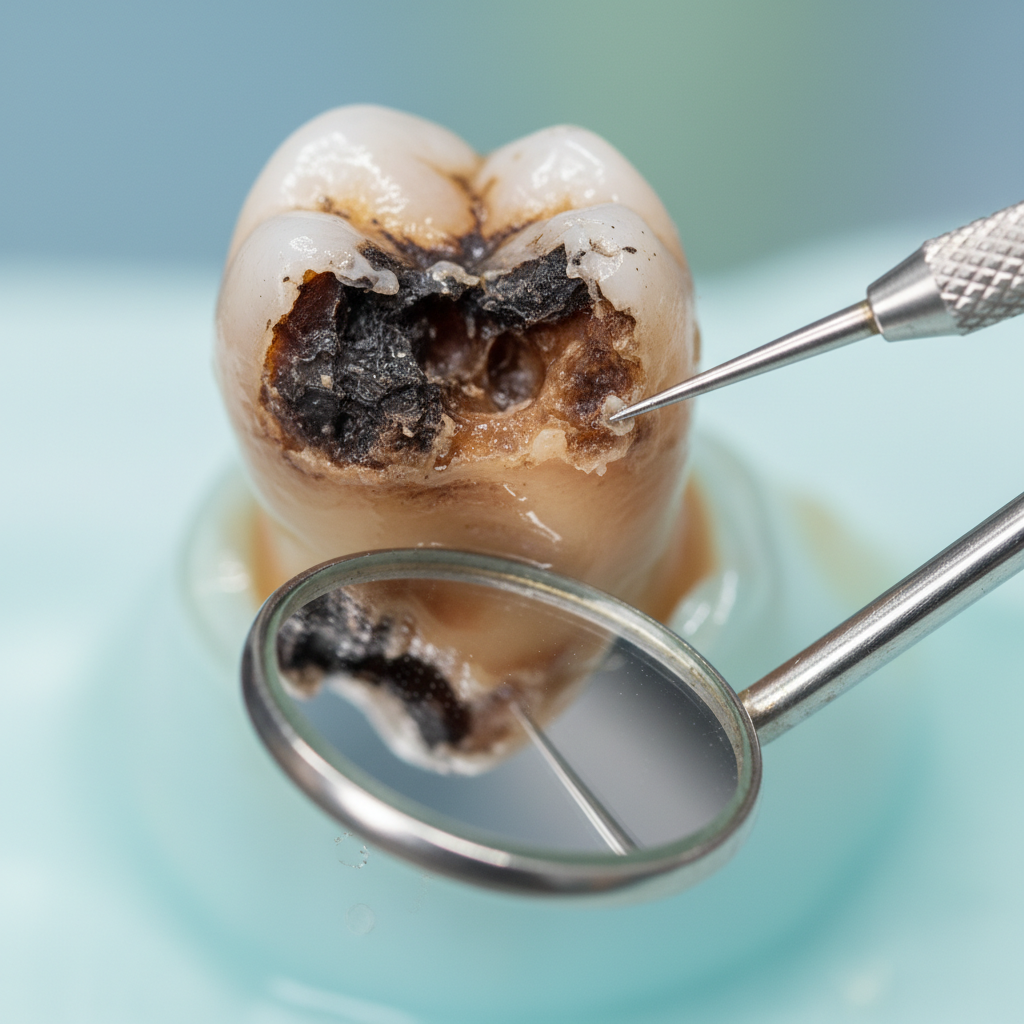
- What goes wrong: Deep decay, cracks, trauma, or repeated procedures let bacteria reach the nerve.
- What treatment solves: Removes infected tissue, relieves pressure, and protects the tooth with a strong seal.
- What you feel after: Tenderness for a few days is common; most patients notice steady relief.
Because we’re a full-service family practice, we also handle the follow-up restoration—often a custom crown—to bring back strength and chewing comfort in one convenient North York location.
Why Saving the Tooth Matters
- Function and comfort: Keeping the root preserves natural chewing and prevents overloading other teeth.
- Health and safety: Treating infection reduces the risk of abscesses spreading to bone or nearby tissues.
- Bite stability: Removing a tooth can trigger shifting and bite changes that invite new problems.
- Aesthetics: A well-matched crown restores color, shape, and confidence when you smile.
- Practical value: Preserving what you have often avoids more complex replacement steps later.
Bottom line: when the nerve is compromised, acting early protects your health and usually means a simpler, smoother appointment.
How Root Canal Treatment Works
Here’s the streamlined, comfort-first process we follow at Humber Summit Family Dental.
- Diagnosis and imaging: Focused exam, temperature tests, and digital X-rays to pinpoint the problem.
- Comfort and isolation: Local anesthesia and a dental dam keep the area numb, clean, and dry.
- Access: A small opening lets us reach the canals without disturbing surrounding tissue.
- Cleaning and shaping: We remove infected pulp and gently shape canals so they can be sealed properly.
- Disinfection: Irrigation reduces bacteria and debris inside the canals.
- Sealing (obturation): A biocompatible material fills the canals to block reinfection.
- Restoration: A durable filling and, for back teeth, often a custom crown to restore strength.
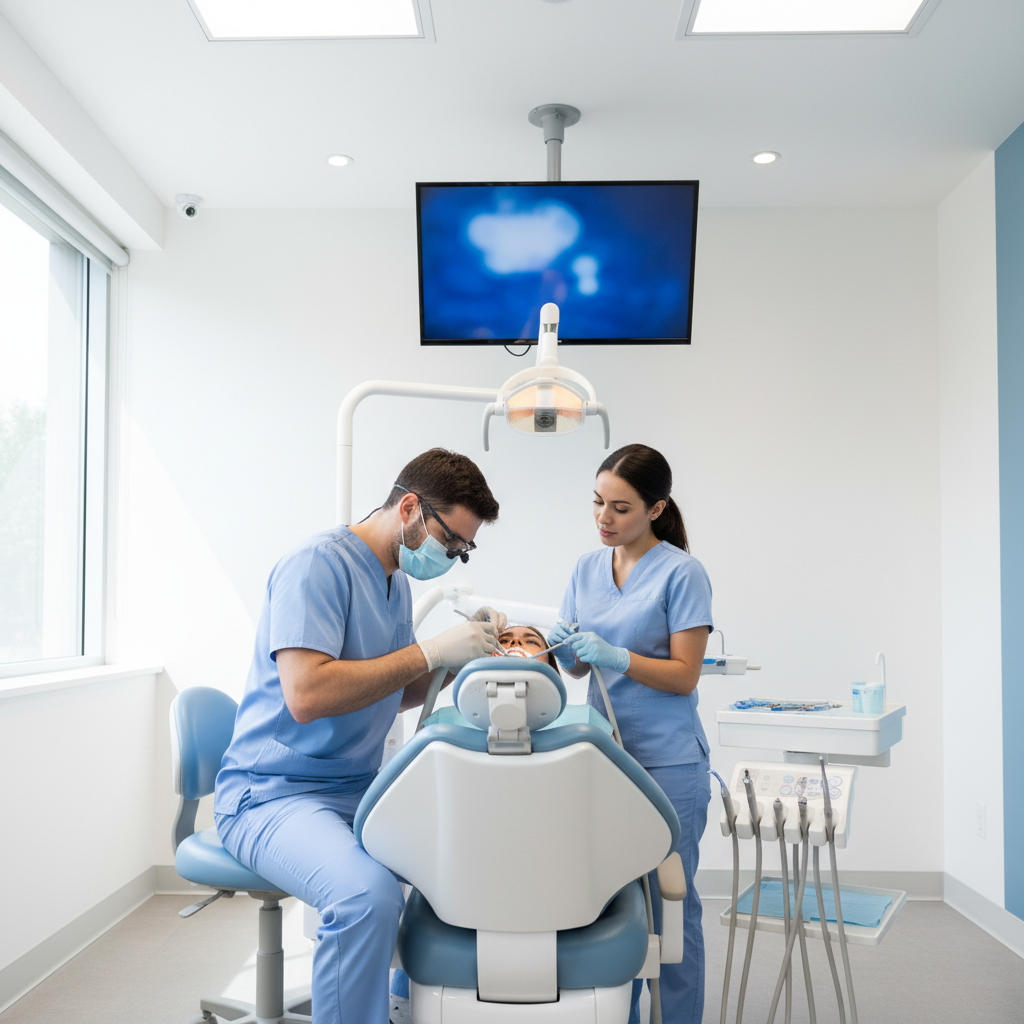
- Comfort touch: Ceiling-mounted TVs and a calm, friendly team help anxious patients and kids relax.
- Clear choices: We explain options—including risks and benefits—so you can make informed decisions.
Want a deeper overview of therapy and aftercare? See our concise root canal therapy page for an at-a-glance summary tailored to North York families.
11 Clear Signs You Need a Root Canal Treatment
- Lingering sensitivity after hot or cold: Reaction that lasts more than 10–15 seconds points to nerve inflammation.
- Spontaneous throbbing pain: Ache that wakes you at night or appears without a trigger is a red flag.
- Pain on biting or tapping: Inflamed ligament around the root makes chewing feel sharp or electric.
- Swollen or tender gums near one tooth: Localized puffiness, warmth, or redness suggests infection.
- Pimple on the gums (fistula): A small bump that drains occasionally indicates chronic infection.
- Tooth discoloration (gray or darkening): The nerve may have died after deep decay or trauma.
- Deep cavity on exam or X-ray: Decay close to the pulp commonly requires endodontic care.
- Cracked or chipped tooth with pain: Bacteria can travel through microfractures to the nerve.
- Facial swelling or tender jawbone: May signal an abscess spreading from the root tip.
- Bad taste or odor that returns: Drainage from an infected tooth can cause a persistent foul taste.
- Prolonged sensitivity after dental work: If reactivity doesn’t settle, the pulp may be irreversibly inflamed.
If you recognize two or more signs—especially with swelling, fever, or trouble swallowing—contact a dentist promptly. Our team offers guidance for dental emergencies and can recommend the safest next step.
Types and Approaches
We tailor care based on tooth type, infection level, and your comfort preferences.
- Single-visit vs. multi-visit: Mild cases may be finished in one visit; complex infections are often staged to ensure full healing.
- Front teeth vs. molars: Anterior teeth usually have fewer canals; molars often have 3–4 and can take longer.
- Re-treatment: Older root canals can sometimes be redone if a canal reinfects or wasn’t fully sealed.
- Post and core: Teeth with extensive damage may need internal reinforcement before a crown.
- Pediatric considerations: Kids and teens benefit from kid-friendly explanations and gentle pacing.
We’ll review your images together and outline which final restoration—filling or crown—best protects your tooth long term. For sensitivity that’s not nerve-related, see our focused tooth sensitivity guide for practical relief options.
Best Practices: Before and After
Before Your Appointment
- Call early if swelling: Rapid swelling can escalate; quick guidance helps you stay safe.
- Cold compress for comfort: 10 minutes on, 10 minutes off to reduce tenderness on the cheek.
- Gentle hygiene: Brush and floss carefully around the sore area to remove irritants.
- Avoid triggers: Very hot, cold, sweet, or acidic foods can flare symptoms.
- Sleep slightly elevated: If night pain worsens, a higher pillow can ease pressure.
After Your Appointment
- Chew on the other side: Until the final crown or permanent filling is placed.
- Keep your follow-up: Back teeth in particular benefit from crowns to prevent fractures.
- Watch for changes: Call if swelling, severe pain, or a gum pimple returns.
- Protect your bite: Nightguards and regular cleanings reduce future problems.
- Sports safety for kids/teens: Consider a custom guard; see our team about wisdom teeth timing if crowding or pain appears.
Tools and Resources We Use
- Local anesthesia for comfort during the entire procedure.
- Dental dams to keep the tooth clean and dry while we work.
- Modern shaping and irrigation techniques to thoroughly clean canals.
- Durable restorations such as composite fillings and custom crowns to reinforce structure.
- Kid-focused education with calm explanations and friendly pacing.
- Comfort amenities including ceiling-mounted TVs for a low-stress experience.
Everything is delivered in one family-friendly North York clinic, so you don’t have to shuttle between offices for diagnosis, treatment, and restoration.
Thinking you might need help today? Our dentists can quickly confirm whether your symptoms match the signs you need a root canal treatment and guide you on the safest next step. If urgent, start with our emergency care page for clear instructions.
Case Snapshots (Real Examples)
- Busy parent with night pain: Spontaneous throbbing and hot sensitivity traced to a deep molar cavity. Root canal relieved pain the same day; a custom crown restored chewing strength for family dinners.
- Teen athlete with a chipped front tooth: Discoloration appeared weeks after a game collision. A root canal preserved the tooth; conservative bonding brought back a natural look for team photos.
- Grandparent with a gum pimple: A small bump drained intermittently near one premolar. Treatment cleared the infection; a crown protected the tooth and the lingering bad taste resolved.
- Professional with cold-only pain: Sensitivity improved after desensitizing care and hygiene coaching—no root canal needed. We always confirm the cause before recommending treatment.
Local Tips
Local Tips
- Tip 1: If you’re coming from Finch Ave West or Hwy 400, plan a few extra minutes during rush hour; gentle arrivals help anxious patients settle in.
- Tip 2: Winter cold snaps can make sensitive teeth ache more. If that happens, avoid icy drinks before your visit and let our team know when symptoms spike.
- Tip 3: Families visiting after games at Downsview Park or nearby schools—ask about sports mouthguards to prevent the kind of trauma that can lead to nerve issues.
IMPORTANT: These tips reflect our North York setting and the family-focused services we provide every day.

Quick Comparison: Save vs. Remove
| Option | What It Means | Pros | Considerations |
|---|---|---|---|
| Root Canal + Crown | Clean and seal canals; reinforce with a restoration | Keep natural tooth, maintain normal chewing, conservative | Needs proper final restoration and routine checkups |
| Extraction | Remove the tooth entirely | Removes infection source quickly | Creates a gap; may consider a bridge, denture, or implant later |
Unsure which path is right for you? Our dentists explain the trade-offs and help you choose what fits your health, timeline, and daily life.
FAQ
Does a root canal hurt?
With local anesthesia and a gentle approach, most patients feel pressure rather than pain. Once infection is treated, day-to-day discomfort typically improves quickly.
How long does the appointment take?
About 60–90 minutes for a straightforward case. Molars or complex infections can take longer or be staged over two visits for best results.
Will I always need a crown afterward?
Back teeth usually benefit from crowns to prevent fractures. Front teeth may do well with a durable filling. We recommend what best protects strength and function.
Can kids need root canals?
Yes. Deep decay or trauma can affect young teeth. Our pediatric-trained team uses kid-friendly explanations, calm pacing, and comfort options.
When should I seek emergency care?
Call promptly if you notice facial swelling, fever, spreading redness, or severe pain. Start with our clear guidance on the dental emergencies page.
Conclusion & Next Steps
- The most reliable signs you need a root canal treatment include lingering hot/cold sensitivity, spontaneous night pain, swelling, and gum pimples.
- Root canal therapy saves natural teeth, restores comfortable chewing, and helps stabilize your bite.
- Early evaluation prevents complications and usually makes your visit simpler.
- Our North York team welcomes families, kids, and new patients—with Saturday availability and online requests.
Key Takeaways
- Two or more warning signs? Get a professional evaluation soon.
- Sensitive but not severe? Review our sensitivity tips and monitor closely.
- Urgent symptoms (swelling, fever)? See our emergency guidance right away.
- After treatment, protect the tooth with the recommended crown or filling and regular teeth cleanings.
Friendly next step: Think your symptoms match the signs you need a root canal treatment? Request a visit with Humber Summit Family Dental in North York (unit #107). We’ll confirm the cause, explain options clearly, and create a plan you feel good about.
Prefer reading first? Start with our concise overview of root canal therapy and what to expect.
